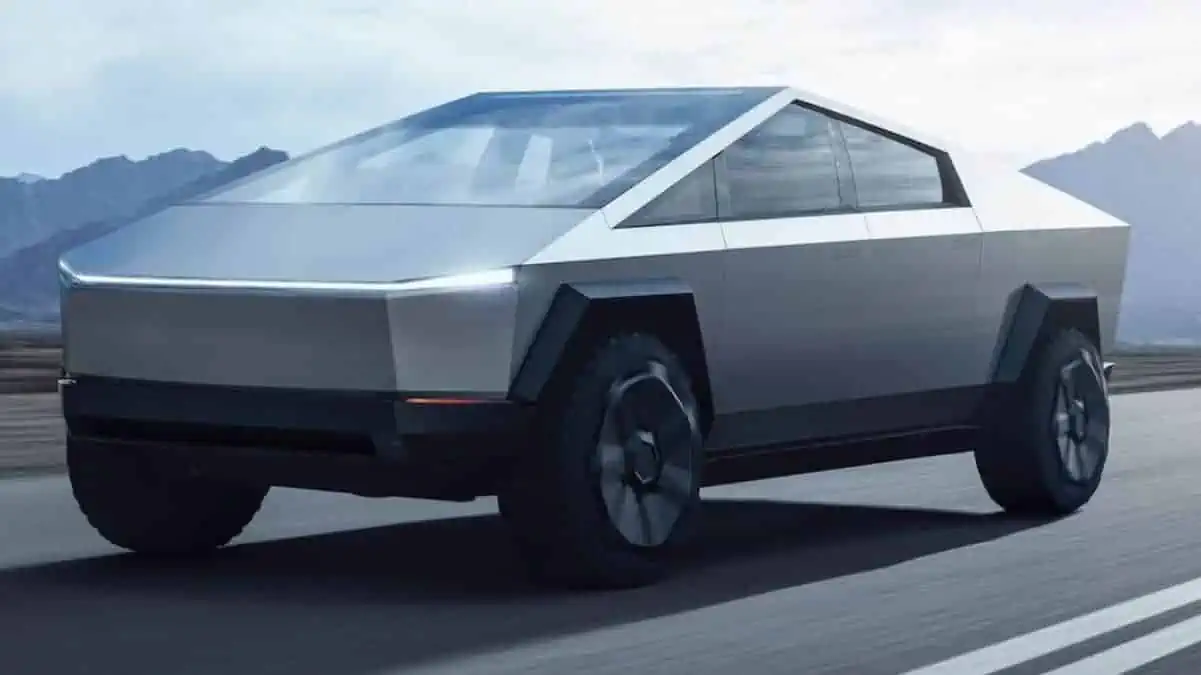


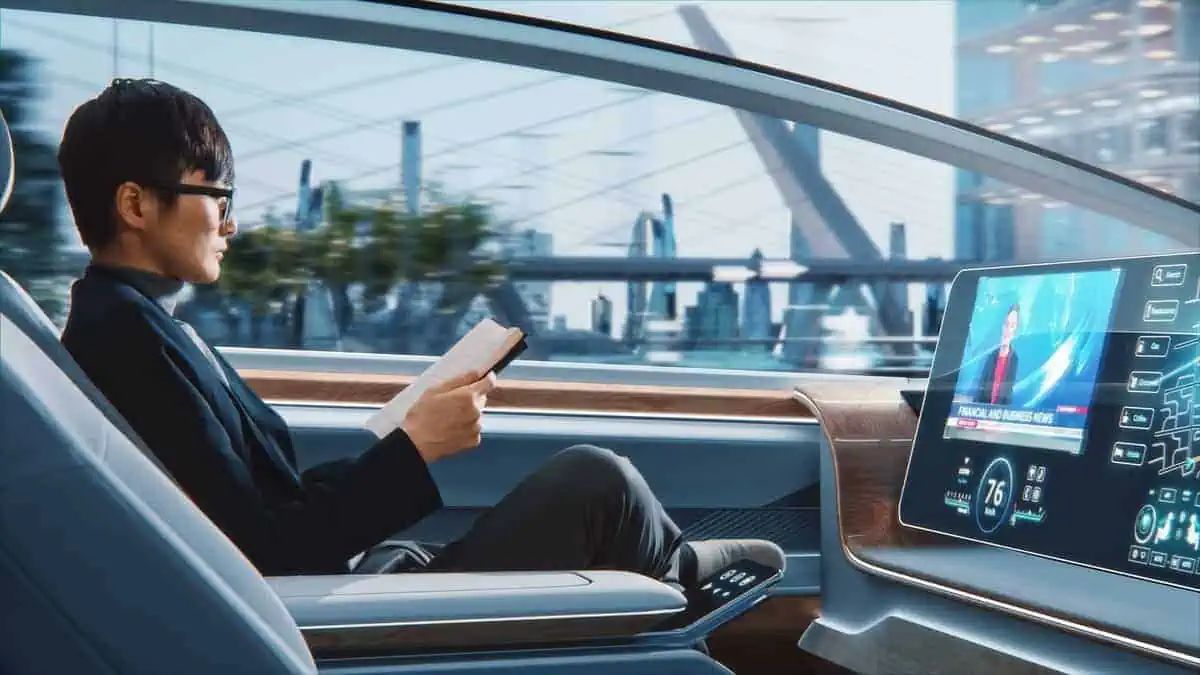
EVs are more than just a trend; they’re a revolution! Check out our list of 20 ways Electric Vehicles are driving the automotive industry into the future.
| 1 | Sustainability | Reduce greenhouse gas emissions and air pollution. |
| 2 | Powertrain Innovation | Focus on electric motors and battery technology, driving advancements in efficiency, performance, and charging infrastructure. |
| 3 | Consumer Preferences | Shift in consumer demand towards cleaner, quieter, and more efficient vehicles, influencing car manufacturers’ strategies. |
| 4 | Business Models | New business models emerge, such as subscription services, battery leasing, and charging networks, diversifying the industry. |
| 5 | Manufacturing Processes | Transition to new production methods and materials, requiring workforce training and adaptation. |
| 6 | Supply Chains | Conventional supply chains for internal combustion engine components and fossil fuels are being disrupted, opening doors for new materials and technologies. |
| 7 | Job Market | Employment growth in software development, EV repair, battery production, and charging infrastructure, with a possible decrease in ICE-related occupations. |
| 8 | Autonomous Driving | Integration of electric powertrains with autonomous driving technology, potentially leading to cleaner and safer transportation systems. |
| 9 | Urban Mobility | Increased adoption of EVs in cities, with potential benefits for air quality, noise reduction, and traffic congestion. |
| 10 | Energy Grid Integration | Development of smart charging solutions and vehicle-to-grid technology, enabling EVs to contribute to grid stability and renewable energy integration. |
| 11 | Government Policy | Policies like tax incentives, charging infrastructure investment, and emission regulations contribute to EV adoption and industry transformation. |
| 12 | Competition | Entry of new players, like tech companies and startups, challenging established automakers and fostering innovation. |
| 13 | Design and Performance | Flexible electric platforms open up new opportunities for vehicle design, resulting in innovative and aerodynamic forms. |
| 14 | Driving Experience | EVs offer instant torque, smooth acceleration, and quieter operation, changing the overall driving experience. |
| 15 | Ownership Costs | Lower operating costs because they require less maintenance and less fuel. However, EVs are more expensive upfront. |
| 16 | Performance Vehicles | Rise of high-performance electric vehicles, challenging the perception of EVs as less exciting than gasoline cars. |
| 17 | Luxury Segment | Growing adoption of EVs in the luxury segment, with brands offering premium features and technology. |
| 18 | Public Transportation | Potential for electrification of public transportation systems in order to provide a more eco-friendly and effective mobility. |
| 19 | Motorsport | Rise of electric motorsport, showcasing the potential and excitement of EVs in a competitive environment. |
| 20 | Long-Term Impact | Transformation of the entire transportation ecosystem, with potential impact on urban planning, energy production, and overall sustainability. |