Tag: Europe

  • China’s BYD wins five-star European safety rating for its electric Atto 3

    China’s BYD wins five-star European safety rating for its electric Atto 3

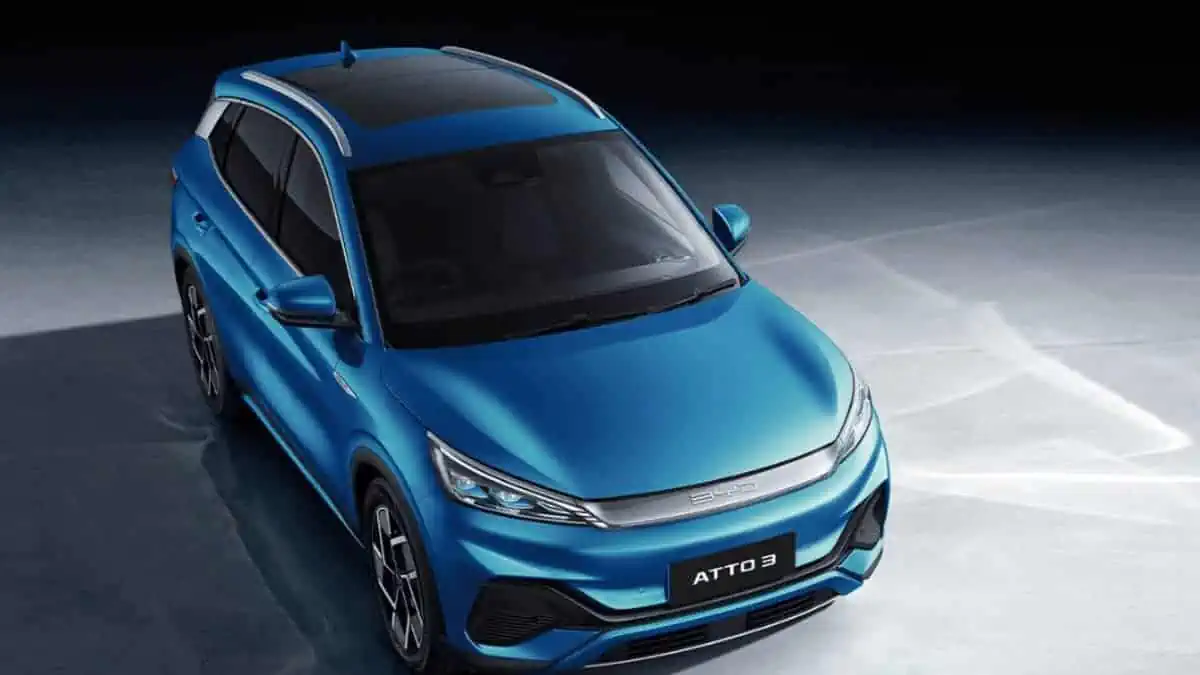
    BYD reportedly received a prestigious five-star Euro NCAP safety rating for its electric ATTO 3 crossover SUV on Wednesday. Remarkably, it is the latest Chinese automaker to garner the highest marks as it strives to establish itself in Europe‘s competitive auto industry, as per Reuters.

    We recently reported on BYD’s plan to launch the Atto 3 in the Indian market. Based on the teaser video, the BYD Atto 3 appears to be a sleek-looking electric vehicle. The front appears contemporary, with a chrome-finished blanked-out grille, LED headlights, and embedded DRLs.

    Going back, the new BYD Atto 3 electric SUV received a score of 34.7 out of 38 in the Euro NCAP crash test for adult occupant protection, and a score of 44 out of 49 for child safety, as per Drive Spark.

    The report also noted that the BYD Atto 3 earned a respectable 69% on the driver assistance and pedestrian safety systems test. Additionally, the automated emergency braking (AEB) system did a good job of preventing the majority of crash scenarios. 

    Furthermore, the lane-keeping assistance system performed effectively in adjusting the vehicle’s course while veering off the road. However, some points were docked for the lack of a driver fatigue recognition feature. The overall rating for the safety aid features was 74%.

    Another two Chinese-made vehicles obtained four-star ratings. Stellantis and Dongfeng collaborated to create the eCitroenC5 X. Meanwhile, Renault‘s Mobilize Limo is an electric sedan developed in collaboration with Jiangling Motors.

    According to Automotive News, the European New Car Assessment Programme (NCAP) ratings are not legally binding because it does not certify vehicles for road use. However, Euro NCAP safety testing is essential to European consumers.

    In retrospect, Chinese automaker Great Wall Motor won five-star ratings for its WEY brand Coffee 01 hybrid SUV and its ORA brand Funky Cat electric sedan last month. Meanwhile, Mercedes- Benz’s EQE electric sedan was among the other vehicles to receive a five-star rating on Wednesday.

    The German car rental company Sixt also announced last week that it had ordered about 100,000 electric vehicles from BYD in the subsequent years. Another BYD milestone was the launch of the Atto 3 in India, as we previously reported.

    The Atto 3 will certainly grow in popularity throughout Europe and beyond due to this most recent high rating from Euro NCAP.

  • Renault’s Mobilize plans to launch ultrafast charging network in Europe

    Renault’s Mobilize plans to launch ultrafast charging network in Europe

    Renault’s Mobilize has announced plans for an ultrafast charging network in Europe, according to the Electric Cars Report.

    Mobilize Fast Charge will comprise 200 sites in Europe by mid-2024, with six charge points, each adding up to 1,200 plugs. In addition, most stations will be at Renault dealerships located near motorway and expressway exits.

    In France, Mobilize will install 90 stations – or one ultrafast station every 150 km on France’s trunk roads. However, the charge points will be open to drivers of any electric cars who hold Mobilize recharge cards in order to enjoy preferential rates.

    “Mobilize Fast Charge is helping by providing all electric vehicle drivers with access to ultrafast charging points whatever brand they drive,” said Clotilde Delbos, CEO of Mobilize. “To make this happen, Mobilize is leveraging two of Renault Group’s strengths: its granular sales network and Mobilize Power Solutions’ expertise.”

    Drivers will eventually be able to charge their vehicles 24 hours a day, 7 days a week. In addition, travelling from Hamburg to Seville made easier. 

    Preferential access to a rest and service area

    The installations will also include a rest area for drivers to enjoy some coffee or a snack, use the Wi-Fi connection, or charge their phone or laptop before going on with their journey. Holders of the Mobilize recharge cars will also enjoy preferential rates throughout the Mobilize Fast Charge network.

    An innovative solution that limits the impact on the power grid

    In order to reduce Mobilize Fast Charge stations’ impact on the grid, the charging mechanism relies on a smart energy management system combined with stationary capacity using EV batteries and in some areas, solar power from photovoltaic panels. In addition, the storage system will be able to deliver a full 600 kW of immediate power, even when few cars are charging at the same time. The system also cushions its impact on the national grid, lowers the cost of connections and provides an ultrafast charge at the best price for people with EV.

    Mobilize Power solutions, the expert for charging solutions

    The entire project is managed by Mobilize Power Solutions, Mobilize’s specialist when it comes to tailored charging solutions for electric and plug-in hybrid vehicles. Following its expansion in the corporate market, and among customers, Mobilize Power Solutions now brings its expertise to long-distance drivers. Mobilize Power Solutions also conducted preliminary studies to determine the best locations and size of each station, for the entire Mobilize Fast Charge network.

  • NIO has announced its European launch plans

    NIO has announced its European launch plans

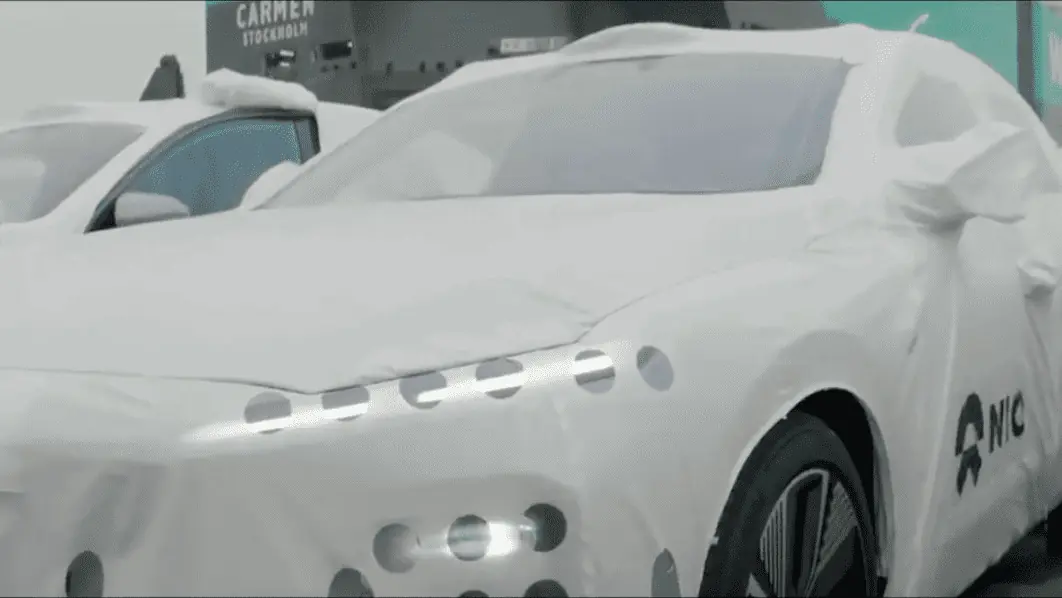
    The Chinese multinational automaker known for its battery-swapping technology has reportedly announced its European launch plans ahead of the expected UK arrival in 2023. According to AM OnlineNIO revealed its planned products and services for the European market, including Germany, the Netherlands, Denmark, and Sweden, at its European launch event in Berlin.

    https://twitter.com/Prof_JamesCook/status/1577595924968345600

    NIO’s European offering will also include a vehicle subscription service. With this, customers would be offered periods ranging from one to sixty months.

    CEO William Li, NIO founder, chairman, and CEO, stated, “Serving users in Germany, the Netherlands, Denmark and Sweden is an important step in realizing NIO’s 2025 plan and offering our unique user experience in more countries around the world.”

    “Our compelling products, game-changing charging and battery swapping services, alongside truly innovative and flexible subscription models, will change the landscape of EVs. Our commitment to the region marks the start of NIO’s next chapter in our global development.”

    In hindsight, news regarding NIO’s ambitions to create a European manufacturing facility in Hungary to boost its European expansion goals has previously surfaced.

    Notably, NIO has already entered Norway and Sweden. However, the OEM has indicated that the brand will come to the UK in 2023, where it has engaged former Volvo Car UK commercial director Matt Galvin.

    Co-founder Lihong Qin stated, “There is a very deep connection between NIO and the UK because we had our first strategic and product workshops open in London in 2015.

    “We opened our London office on the first day we launched and run our Advanced performance team in Oxford. I want to be in the UK as soon as possible but because of the right-hand steering it has taken us longer.

    “Under our current plan we expect to enter the UK market by the end of next year.”

    In fact, Geely already has a substantial presence in the European automotive industry with its brands Lotus Cars, the London Electric Vehicle Company (LEVC), and Polestar. It also recently purchased a share in Aston Martin.

    Meanwhile, MG Motor UK is the country’s fastest-growing brand. Furthermore, the long-awaited entrance of BYD is also predicted.

    Going back, NIO currently has five models on the market, with four more on the way. The EP9 hypercar, the ES8 seven-seater SUV, the ES6 five-seater SUV, the EC6 coupe SUV, the ET7 saloon, and the ET5 small saloon have all already been released.

  • ChargePoint introduces the CP6000 AC charge column for the European market

    ChargePoint introduces the CP6000 AC charge column for the European market

    A new AC charging station has reportedly been released by ChargePoint throughout Europe, as per electrive.com. Due to its modular design’s versatility and scalability, the CP6000 was developed for business customers. Its first customer is the leading EV charging infrastructure supplier, RAW Charging.

    The CP6000 series hardware supports a wide range of configurations via connectors, cable management, branding, display, or shuttering alternatives.

    According to ChargePoint, the CP6000’s modular design makes it easier to enable field replacements and service while providing cutting-edge sensors for improved diagnostics and support. Remarkably, all customer-facing information is available in multiple languages.

    Furthermore, ChargePoint cites the integrated network software, station hardware, and customer support as the reason the CP6000 is its most adaptable and reliable global AC charging solution.

    The CP6000 has also been built to work with all the different power grids and regulations across Europe.

    For instance, the CP6000 complies with the UK government’s mandate that all AC stations 7.1kW and higher must support contactless payments. It also offers AC charging with a 3.7 to 22kw per port adjustable output for single- or three-phase electricity.

    It is worth noting that its software platform offers the following features as per the report:

    • real-time visibility into revenue
    • energy costs and driver details
    • control over pricing and driver access
    • actionable reporting with over 35 pre-built charts and reports

    It also features strong energy-saving tools, on-station video messages, and more than 40 turnkey API connectors. Noably, the most recent Open Charge Point Protocol (OCPP) 2.01 is supported by the CP6000.

    “EV charging needs are universal, even if what and how we drive varies by geography. The CP6000 has been designed across our R&D facilities in North America and Europe to cater to the charging needs of businesses, fleets and EV drivers,” Bill Loewenthal, ChargePoint’s Chief Product Officer, stated.

    Bruce Galliford, CEO at RAW Charging, asserted, “This year, we’ll be putting in four new sites per working day, and when you’re doing that, you want it to work flexibly and at scale.”

    In the majority of ChargePoint operating nations, the CP6000 is currently available for order. That said, the business instructed interested parties to get in touch with their regional sales representative or distributor directly.

  • Porsche to IPO in landmark listing Thursday

    Porsche to IPO in landmark listing Thursday

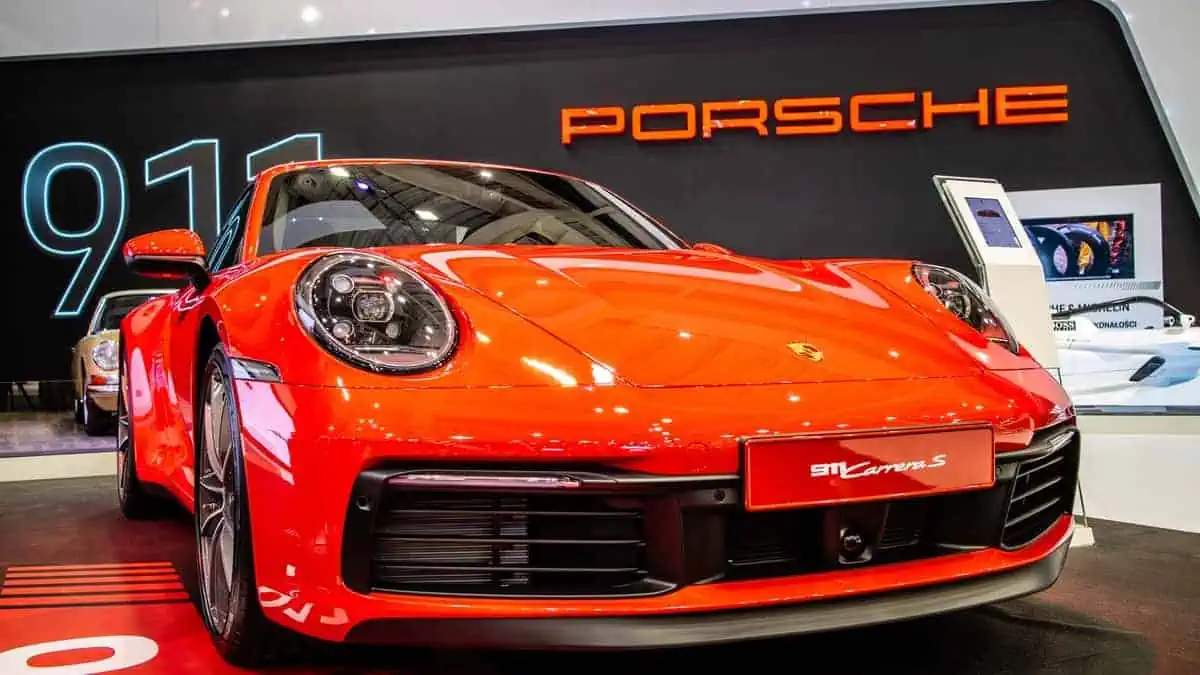
    The German stock market will be temporarily relieved by the persistent focus on gas supply when Porsche goes public on Thursday. The IPO is anticipated to be the second largest in German history and the third largest in Europe.

    Furthermore, TechCrunch reported that the IPO would lead the firm to be the fourth-most valuable manufacturer in the world. Interestingly, it garners billions of dollars to boost its parent company Volkswagen‘s march toward electric vehicles.

    Porsche AG’s first public offering on the Frankfurt Stock Exchange is valued at $79 per share, making it one of Europe’s largest-ever listings. Meanwhile, Volkswagen is projected to get more than $9 billion in return for its investment, positioning it to contend with Tesla.

    According to Bloomberg Intelligence, the EV giant is on track to dethrone Tesla in sales by 2024. In fact, Volkswagen announced a target of having EVs account for a quarter of company sales by 2026, which will be aided by introducing 16 battery-electric vehicles. This includes the Audi A4 e-tronAudi A6 e-tron, and Volkswagen ID. Buzz van. 

    Notably, the IPO proceeds might help support Volkswagen’s $50 billion investment in electrification over the next five years.

    It is worth emphasizing that investors have a significant amount of confidence in Porsche, as evidenced by the high share price. Impressively, it is on track to become the fourth-largest automotive business by valuation, behind Volkswagen, Tesla, and Toyota. Despite the fact that the company offered just 911 million shares, the offering garnered a high share price.

    On the other hand, Porsche accounts for about a quarter of Volkswagen’s operational profit. 

    This might result in a loss for VW when growing prices, supply-chain restrictions, and inflation continue to stress the sector and endanger sales.

    Porsche has invested in efuels, established a network of Porsche-branded charging stations across Europe, and plans to electrify its legendary Porsche 718 roadster by 2025. Furthermore, Porsche’s Taycan EV has surpassed the 911 sales, bolstering the company’s aspirations to electrify 80% of its range by 2030.

    “The main question for potential shareholders in Porsche is whether the company can make a successful transition to become fully EV while preserving or even expanding margins. It is clear when you compare Porsche to Ferrari that there is room for improvement and a potential upside if Porsche can improve its operations and expand on its already strong brand,” said Peter Ganry, head of equity strategy at Saxo Bank.

  • These nations are the global leaders in the production and installation of renewable energy sources

    These nations are the global leaders in the production and installation of renewable energy sources

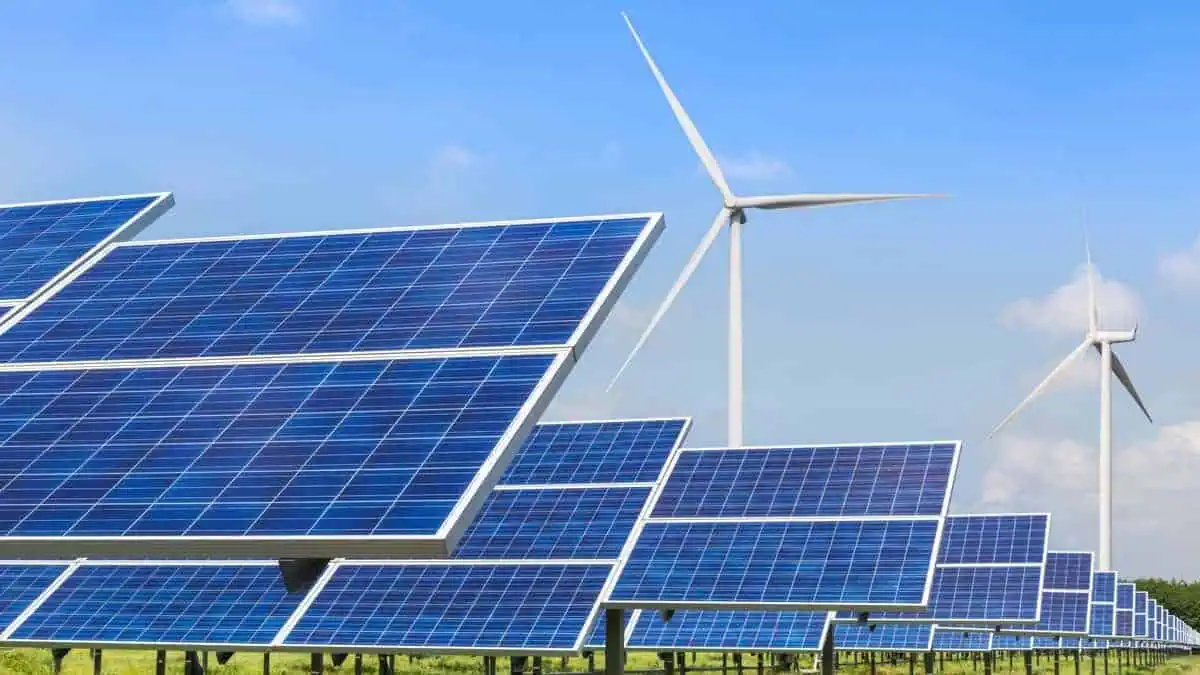
    The International Renewable Energy Agency (IRENA) and the International Labour Organization (ILO) just issued a report on worldwide renewable energy employment that identifies the top producing and installing nations for wind and solar energy, according to Electrek.

    According to “Renewable Energy and Jobs: Annual Review 2022,” employment in the renewable energy industry has increased over time. Despite the pandemic and the worsening energy crisis, there was a global growth of 700,000 new renewable energy jobs in 2021, bringing the total number of these positions to 12.7 million.

    The authors of the report observed that the pandemic is directly influencing the growth of domestic employment by stating:

    The lingering impact of the COVID-19 crisis has spotlighted the viability of far-flung supply chains. Rising concerns in the context of additional supply chain disruptions, trade disputes, and geopolitical rivalries are reinforcing interest in the localization of supply chains to enhance resilience, domestic value, and job creation.

    Notably, a daring energy transition forecast predicts that there might be 38.2 million employments in renewable energy worldwide by 2030. The fastest-growing renewable energy industry is solar, which employs more than one-third of the whole industry. 

    It is worth noting that the number of offshore wind employment in China is increasing, and it is the world’s largest manufacturer and installer of solar PV panels. Interestingly, major centers for the production of biofuels and solar PV technology are emerging in Southeast Asian nations.

    Despite adding more than 10 GW of solar PV, India is still primarily dependent on imported solar panels. However, it is still remarkable because the country was able to produce a large number of installation jobs.

    Currently, Europe as a whole is the largest exporter of wind power equipment, contributing around 40% of the world’s wind industrial production. The production of solar PV systems is being revived in the continent as well.

    In the Western Hemisphere, Mexico is the region that supplies the most wind turbine blades. Meanwhile, Brazil continues to be the country with the highest employment rate for biofuels while adding numerous jobs in wind and solar systems. 

    On the other hand, the US is starting to develop a local industrial base for the country’s emerging offshore wind industry.

    Although the report emphasizes that there are increasing job prospects in decentralized renewable energy, particularly in support of local commerce, agriculture, and other economic activities, the involvement of African nations is still restricted.

    Nonetheless, it must be noted that the industry for renewable energy is more labor-intensive than that for fossil fuel technologies, which are frequently automated and capital-intensive. 

  • Fisker & Wallbox partners for home EV charging

    Fisker & Wallbox partners for home EV charging

    The leading supplier of global electric vehicle and energy management solutions, Wallbox, and the innovator of the most eco-friendly EVs and innovative mobility solutions, Fisker Inc., announced their global partnership for home charging solutions on Tuesday. 

    “Making home charging accessible is key to accelerating the transition to EVs globally, and partnering with Fisker will allow us to support more drivers as they make the transition,” said Douglas Alfaro, General Manager of Wallbox North America. “There is a natural alignment between our two brands, so we are excited to announce our partnership with Fisker.”

    Green Car Reports reported Fisker’s statement in a press release that the two businesses will first sell Wallbox home chargers to owners of Fisker Ocean electric SUVs in the USCanada, and Europe through the Fisker website.

    According to Fisker, Wallbox will sell its Pulsar Plus charger to Fisker owners in North America and its Pulsar Max charger to Fisker owners in Europe. Additionally, Wallbox in Europe and COIL, a Wallbox-owned company in North America, will offer home installation services under the Fisker brand.

    On November 17, 2022, the Fisker Ocean will begin production in a carbon-neutral facility in Graz, Austria. During that time, the company anticipates Wallbox chargers to be accessible to Fisker customers in the United States, Canada, and Europe. While pricing for all regions is yet to be revealed, the European launch will encompass Austria, Denmark, France, Germany, Norway, Sweden, and the UK.

    Fisker asserts that two of the Ocean lineup’s versions have already been sold out, and it is presently seeking methods to increase production. The $37,499 basic price of the Ocean may allow extra money to be saved for installing a home charger. When arranging their setup, buyers should check whether they qualify for subsidies on home charging equipment.

    Notably, Fisker expects the Wallbox agreement will assist consumers in getting the most out of their electric vehicles, similar to other automakers who have attempted to arrange home charging for owners. 

    “Fisker is laser-focused on giving our customers simple and intuitive technology combined with clever design to make owning an EV easier. Together with Wallbox, we are providing class-leading, competitively priced chargers for Fisker owners,” Chairman and CEO Henrik Fisker said. “Wallbox’s track record of delivering well-designed, innovative, and dependable charging systems on a global scale makes the partnership a perfect fit for our customers and our business.”

  • The 2023 Mitsubishi ASX launches with 5 powertrain options in Europe

    The 2023 Mitsubishi ASX launches with 5 powertrain options in Europe

    The Mitsubishi ASX , a compact crossover with ICE, hybrid, and plugin hybrid electric vehicle models, is anticipated to hit the market in march 2023 as it recently debuted in Europe.

    According to Motor1.com, the external appearance of the ASX is highly chiseled. The car’s grille features bracket-shaped trim up front, and the headlights are complexly designed with running lights in the form of hooks below the primary lamps. Remarkably, the crossover is offered in six different colors. There are also higher-level trims with black roofs available.

    Notably, the interior of the ASX may appear significantly different based on the trim level. The entry model’s interior includes an analog instrument cluster with a 4.2-inch screen. Additionally, the range-topping model comes with a 10.25-inch digital instrument display or a 7.0-inch version.

    Meanwhile, the typical infotainment screen has a landscape design and measures 7.0 inches. A 9.3-inch display with a portrait arrangement is an improvement that enables wireless Apple CarPlay and Android Auto.

    It is worth noting that the RenaultNissan, and Mitsubishi Alliance CMF-B platform serves as the foundation for the ASX, which offers five different powertrains.

    For referemce, each of their specifications is included in the table below:

    EngineHorsepowerTorqueBattery CapacityElectric-Only Range In Combined Category
    1.0-Liter Three-Cylinder Six-Speed Manual90 HP (67 kW)118 LB-FT (160 Nm)N/AN/A
    1.3-Liter Four-Cylinder Mild Hybrid Six-Speed Manual138 HP (103 kW)192 LB-FT (260 Nm)N/AN/A
    1.3-Liter Four-Cylinder Mild Hybrid Seven-Speed Dual-Clutch156 HP (116 kW)199 LB-FT (270 Nm)N/AN/A
    1.6-Liter Four-Cylinder Hybrid141 HP (105 kW)109 LB-FT (148 Nm)1.3 kWhN/A
    1.6-Liter Plug-in Hybrid160 HP (117 kW)106 LB-FT (144 Nm)10.5 kWh29.2 miles – 30.45 miles (47 KM – 49 KM)

    All ASX models are equipped with emergency braking assistance, lane departure warning, traffic sign recognition, and parking assistance for added security. On the other hand, blind spot assistance, active lane departure warning, and speed alert are added to higher-level models. 

    Meanwhile, models with the longest range include adaptive cruise control and active lane-following assistance.

    As of now, Mitsubishi has not yet disclosed the new ASX’s price.

  • Tesla Superchargers charging rates significantly increase in Europe

    Tesla Superchargers charging rates significantly increase in Europe

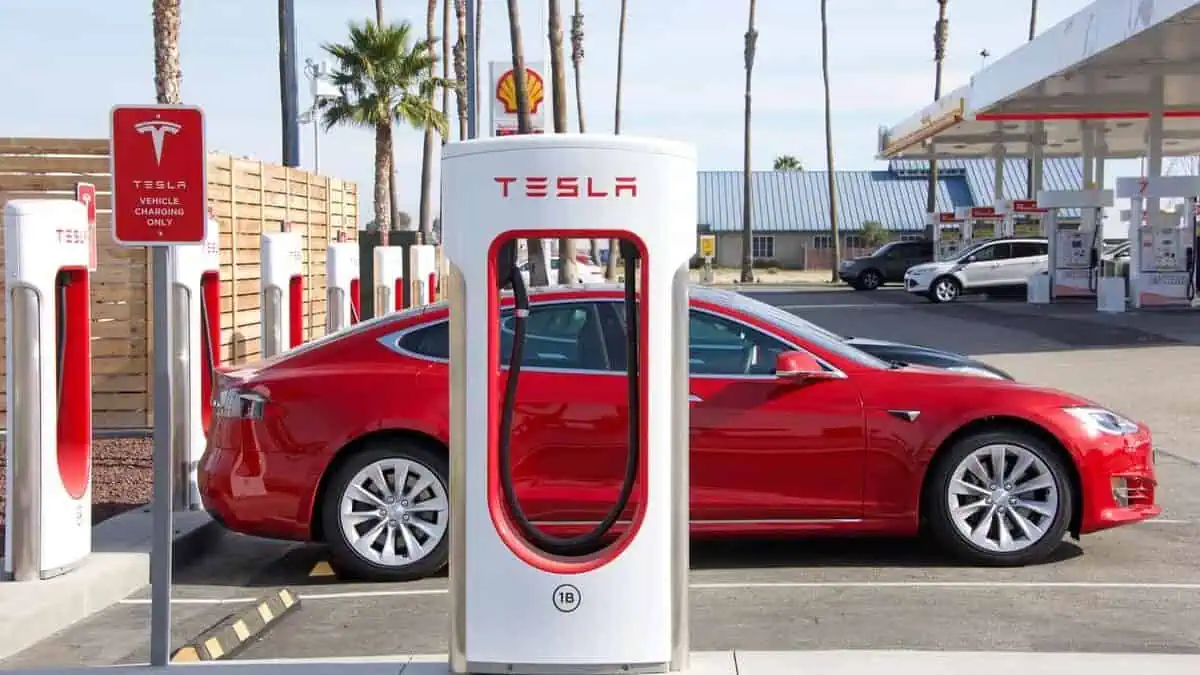
    As Europe continues to struggle with a massive energy crisis that shows no signs of abating, Tesla is raising prices at its Supercharger stations “significantly” across the continent, as reported by Electrek.

    Since electricity is often far less expensive than petrol, electric vehicles continue to have one of the significant advantages over ICE cars in terms of operating costs.

    Unfortunately, due to the Ukraine war and import limitations on Russian oil and gas, gas and electricity prices have increased over the past year, particularly in Europe.

    It is worth noting that the full charge cost at a Tesla Supercharger used to be hard to exceed $5 or $10. In fact, numerous Supercharger stations now charge $0.50 per kWh after many price hikes over the course of the past year. This can make charging 60 kWh cost $30.

    The Supercharger network will soon experience a higher price increase, as Tesla informed owners in Europe in an email today:

    Tesla attributed the price hike to a rise in “energy prices” by stating in an email, “Due to an increase in energy prices, we are adjusting Supercharging pricing across Europe.”

    According to a brief check by Electrek, prices increased by an average of €0.12 per kWh. However, it must be noted that prices vary depending on the station.

    After this most recent price spike, there are very few European stations where Supercharging costs will be less than €0.60 per kWh.

  • Kia Europe and Encore Deutsche Bahn Group partner for second-life battery energy storage systems

    Kia Europe and Encore Deutsche Bahn Group partner for second-life battery energy storage systems

    Kia Europe has established a new partnership with Encore Deutsche Bahn to build sustainable energy storage systems. As part of Kia’s global strategic focus on sustainability, the two firms will recycle used EV batteries in “Second Life” battery energy storage systems, according to electrek.

    The automaker’s European project has already begun with the prototype, which was put into use in Germany utilizing Kia Soul EV batteries.

    It is worth noting that in order to achieve zero emissions and carbon neutrality across all of its companies, Kia, a subsidiary of the Hyundai Motor Group, has completely adopted electrification. 

    Aside from this, Kia and Hyundai Motor Group have also invested in cutting-edge technology like robotics and autonomy to advance sustainable transportation.

    Nonetheless, recycling EV batteries is a significant obstacle to be addressed as EV uptake keeps growing. Major manufacturers like CATL and recycling experts like Redwood Materials are already assisting in the reduction and reuse of priceless materials worldwide to address this issue.

    Furthermore, Encore Deutsche Bahn (encore DB) has been working with several European companies to buy used batteries and recycle them as energy storage systems. Kia, whose EV batteries are already being utilized to help power micro smart grids, is now its newest partner.

    Kia’s electric vehicle batteries will lessen the load on European grids

    The expansion of recycled batteries across Europe is the objective of the new partnership between encore DB and Kia Europe, which was first made official in a press release.

    This approach has already been implemented at the EUREF-Campus in Berlin, Germany, with an initial prototype battery storage facility. Impressively, 24 battery modules, made up of 14 double cells previously utilized in Kia Soul EVs, make up the energy storage system.

    A “Micro Smart Grid” is basically a power grid in which various energy sources are linked intelligently when these modules are combined. Whenever necessary, an integrated battery management system (BMS) will execute passive or active voltage to balance each module’s charge level.

    The companies claim that by making energy flows more predictable and boosting the quantity of renewable energy used in a specific location, these battery-powered systems will help minimize dependency on the grid. Jason Jeong, head of Kia Europe, spoke:

    “With our success in the electrification of Kia models, we also take responsibility for the batteries beyond their lifetime in the car. The pioneering partnership between Kia and encore DB shows that we regard batteries as a valuable resource in terms of a sustainable circular economy.”

    Impressively, the present energy storage prototype can store solar energy for later usage and offer 72 kWh of usable power to support the specified “time shifting” energy balance, as per the two companies.

    Having said that, Encore DB intends to advance EV battery recycling and support more stable and predictable energy flows throughout Europe with its new partner, Kia. Most notably, it reflects the company’s intention in supporting more eco-friendly and renewable energy sources.